https://www.wonarm.com/the-ancient-code-of-the-sky-medieval-astrology-and-astronomy/
Medieval Europe, roughly spanning the 5th to the 15th century, was a time when knowledge and faith were deeply intertwined. People often looked up at the sky, trying to understand the universe and even predict events. During this period, astronomy and astrology were closely linked, combining a spirit of scientific observation with a touch of mysticism. This article explores how medieval people interpreted the world through the “code of the sky,” focusing on the development of astronomical observation, the rise of astrology, their intersection, and their societal impact.
The Development of Astronomical Observation: From Church to Academia
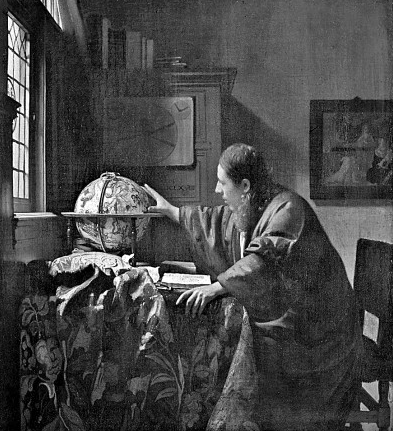
In the early Middle Ages, astronomical observation primarily served religious purposes. The Church used the movements of the sun, moon, and stars to determine religious festivals, calculate the date of Easter, and organize agricultural activities. Monasteries became crucial centers for preserving knowledge and observing the heavens. Monks recorded celestial changes, created star charts and sundials, and provided guidance for daily life and seasonal activities.
Over time, the astronomical achievements of the Islamic world reached Europe. Arab astronomers had improved star catalogs and astronomical instruments, enabling European scholars to observe celestial bodies with greater precision. Church schools and universities gradually became centers of astronomical study, shifting the focus from purely religious applications to more theoretical investigations.
The Rise of Astrology: A Bridge Between Stars and Destiny
Astrology was widely practiced in the Middle Ages, based on the belief that the movements of stars influenced events on Earth. Astrologers drew horoscopes, studying the positions of the sun, moon, and planets to predict personal fortunes, political events, and even the outcomes of wars. At the time, astrology was considered part of “science.” Many physicians relied on celestial observations to guide treatments, while monarchs and nobles consulted astrologers for decision-making.
The core concept of astrology was “as above, so below,” meaning that celestial events reflected happenings on Earth. Medieval astrological texts combined astrology theory with astronomy knowledge, such as planetary orbits, constellations, and the twelve zodiac signs. This made astrology both mysterious and rigorous.
The Interweaving of Astronomy and Astrology
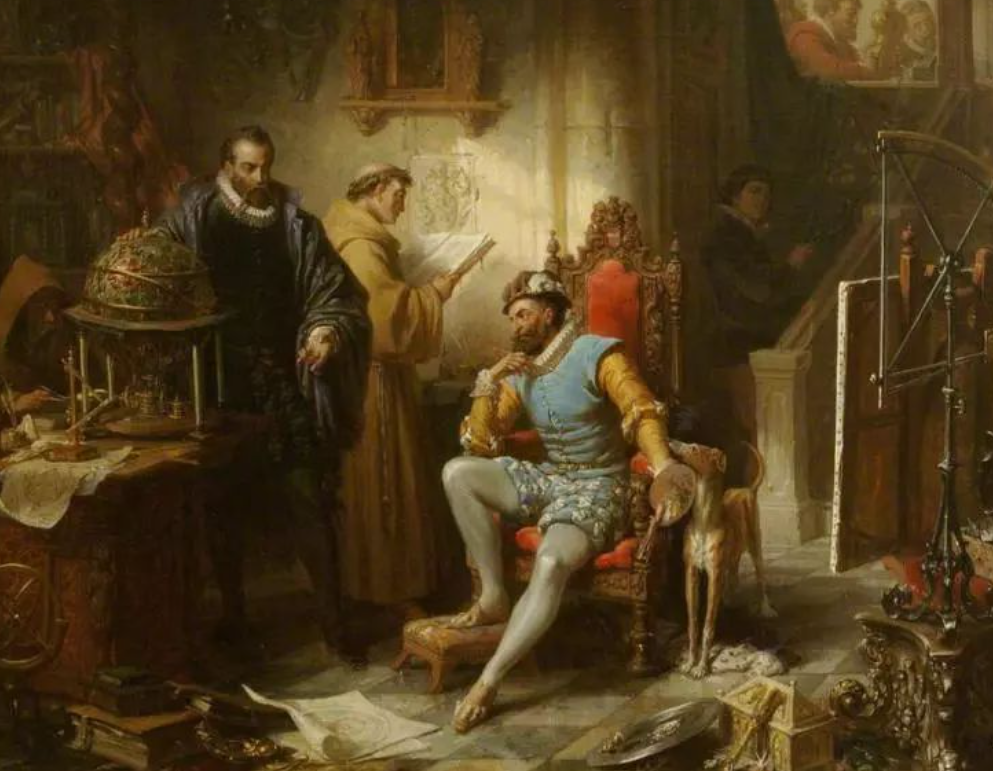
Astronomy and astrology in the Middle Ages were mutually reinforcing. On one hand, the practice of astrology spurred advancements in astronomical observation. To create accurate horoscopes, astrologers needed precise information on celestial positions and movements, which drove improvements in observational instruments like the sextant, sundial, and armillary sphere. On the other hand, astronomers’ theoretical research provided essential data to make astrological predictions more reliable.
For example, scholars in European universities often studied mathematics, astronomy, and astrology simultaneously. They used complex calculations to track planetary positions while writing astrological treatises. This blending of science and mysticism created a unique knowledge system during the Middle Ages.
Social Impact and Cultural Value
Medieval astronomy and astrology extended beyond academia, deeply influencing society. Monarchs relied on astrological predictions for national decisions, physicians timed medical treatments by the stars, and farmers used lunar phases and seasonal cycles to plan their work. Literature and art frequently incorporated celestial symbols, reflecting the period’s respect for cosmic order and mystical forces.
However, astrology was also controversial. While the Church recognized the astronomical aspects, it worried that predictive practices could challenge divine authority and periodically issued restrictions on astrology. Despite this, astrology’s influence in medieval culture remained strong, providing intellectual groundwork for the Renaissance and later scientific revolutions.
Conclusion
Medieval astronomical observation and astrology represented a unique body of knowledge, combining rigorous scientific exploration with a mystical aura. People observed the stars to understand time, seasonal changes, and universal laws while attempting to decipher the relationship between celestial events and human destiny. This “sky code” reflected the medieval worldview and demonstrated the intertwined nature of science, mysticism, reason, and faith.
Today, studying medieval astronomy and astrology helps us understand the historical development of knowledge and showcases humanity’s wisdom and imagination when facing the unknown universe. This history reminds us that science and faith, reason and mysticism, were not always in opposition—they were intertwined in the quest to explore and understand the world.
https://www.wonarm.com/the-ancient-code-of-the-sky-medieval-astrology-and-astronomy/