https://www.wonarm.com/the-ultimate-guide-how-finance-forged-medieval-royal-power/
In medieval Europe, kings were not born with boundless wealth and power. In fact, their financial resources were often very limited, and they sometimes even had to rely on “borrowings” from the nobility to cover royal expenses. Yet, even under these seemingly tight financial conditions, the medieval fiscal system gradually evolved, shaping not only the boundaries of royal power but also the scope of the state apparatus. Today, we will discuss how medieval finance, from land rent to national taxation, gradually transformed the political landscape of Europe.
Lord economy: the king lived on his own land
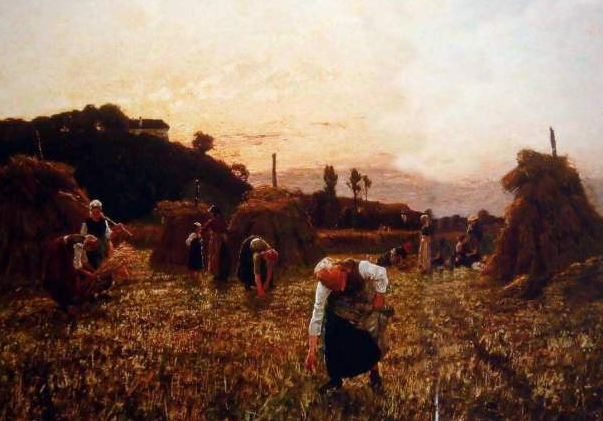
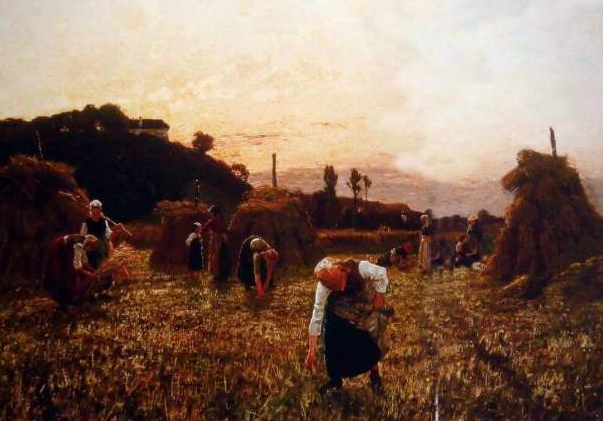
In the early Middle Ages, the king’s financial foundation mainly came from the “crown lands.” Simply put, the king was a large landowner, and his income mainly came from the rent and labor paid by the peasants on these lands, as well as some of the products produced by the manor itself.
Land rent is fundamental : grain, livestock, honey, and even handicrafts are the most direct sources of income.
Using goods instead of money : At that time, currency circulation was not smooth, and the royal “finance” was actually more like the concentration and distribution of materials.
Just to maintain daily life : This model can barely support the daily expenses of the royal family, but it becomes stretched once war or large-scale construction occurs.
This means that the king’s strength is actually closely related to the “amount of land” and “the fertility of the manor”.
Feudal obligations: from “paying money” to “providing people”
In addition to rent from his own land, the king also relied on vassals to fulfill their feudal obligations to expand his power. For example, nobles had to provide knights for the king, build castles, and even provide food or soldiers in times of war. But the problem was obvious:
Dependence on the nobility : Once the nobility is unwilling to cooperate, it will be difficult for the royal power to mobilize resources.
Limited Obligations : Most vassals are only willing to fulfill short-term military obligations, and few are willing to provide long-term financial support to the crown.
Therefore, this fiscal structure is destined to be “fragmented” – it is difficult for the king to truly control the national fiscal network.
Currency and Taxation: The “Second Heart” of Royal Power
With the recovery of commerce and the rise of towns, the monetary economy gradually developed. At this time, the king began to realize that relying on land rent was no longer enough to support the huge expenses and that a more stable tax system must be established.
Town tax : City residents are willing to pay taxes in exchange for the king’s protection and franchise (such as market rights and autonomy).
Tariffs and tolls : Roads, bridges, and ports are all important sources of revenue.
Right to mint coins : The king can regulate the value of currency by controlling coinage and gain benefits from it.
At this point, royal finances began to move beyond the manor and into the wider society.
War and Finance: Institutional Innovation Forced by Force
It’s no secret that war was the most direct driving force behind medieval fiscal reform. The Crusades, the Hundred Years’ War, and territorial disputes all made kings realize that relying on temporary fundraising was insufficient.
Special taxes : During wartime, the king would levy a one-time “war tax” on the entire nation.
The role of Parliament : In order to legitimize these taxes, the king often needed the consent of the nobility, the church, and even the citizens. Over time, finance and political representation mechanisms became tied together.
Expenses of a standing army : As the army became professionalized, financial pressure increased and the king had to gradually institutionalize taxation.
It can be said that every large-scale war pushed medieval states one step further towards financial centralization.
From Land Rent to National Tax: Reshaping the Power Landscape
As the royal finances gradually shifted from land rent to national taxes, the power structure also changed:
The king’s independence increased : he was no longer completely dependent on the nobles, and royal power gradually became centralized.
Nobility and cities were incorporated into the system : their rights and obligations were institutionalized through tax negotiations.
The prototype of the state apparatus appeared : financial institutions, tax officials, and written archives. These elements of the modern state all germinated in the late Middle Ages.
In other words, medieval finance was not just about “collecting money”, it was actually the cornerstone of the transformation of the country’s governance model.
Summary : The political script written by money
If medieval royal power is a building, then finance is its foundation.
From a subsistence model based on land rent to a state-run taxation system, the evolution of medieval finance not only altered the strength of royal power but also shaped the dynamics between parliament, cities, and the state.
History tells us that behind politics and power lies the often seemingly cold logic of finance .
Medieval kings may not have understood modern economics, but they had already established a truth through their own practice:
“Without money, there is no power.”
https://www.wonarm.com/the-ultimate-guide-how-finance-forged-medieval-royal-power/