The Middle Ages was an important period in the development of European naval warfare. From Viking raiders in northern Europe to the Venetian fleets in the Mediterranean, naval warfare technology, tactics, and ship design underwent tremendous changes. This article will explore the key developments in medieval naval warfare, focusing on Viking longships, the merchant fleets of the Hanseatic League, and Venice’s maritime hegemony.

1. Viking longship: a symbol of Nordic terror
The Vikings were some of the most feared sea warriors in European history. Their success was largely due to a unique ship design: the Viking longship.
Vessel Features
Light and flexible: Longboats are usually between 45 and 75 feet long, with a narrow hull and shallow draft, and can navigate deep seas and rivers.
Rowing and sailing are used together: sails are used for normal navigation, and rowers are used in battles or against the wind. Each boat can carry 30 to 60 soldiers.
Dragon head decoration: Many longships have dragon heads carved on their bows, which serve both to intimidate enemies and to symbolize the power of Norse mythology.
Tactics and Impact
The Vikings were skilled in raiding tactics, using the mobility of their longships to quickly land, plunder and retreat. Their raids extended from Britain and France to the Mediterranean and even North America.
Notable Battles
Siege of Paris in 885: The Viking fleet sailed up the Seine River and besieged Paris for nearly a year, eventually forcing the French king to pay a huge ransom.
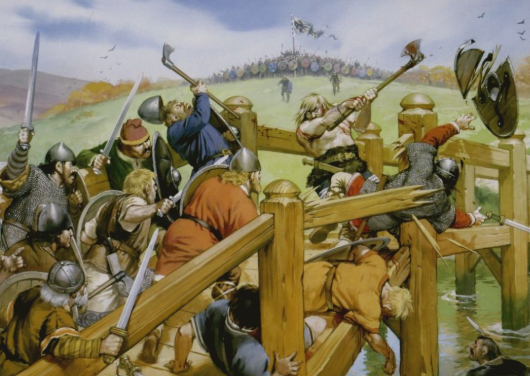
Battle of Stamford Bridge in 1066: The Viking army led by King Harald Hardrada of Norway invaded England. Although they were ultimately defeated, it marked the end of the Viking Age.

2. The Hanseatic League: a combination of merchant shipping and naval warfare
In the late Middle Ages, the Hanseatic League arose in Northern Europe, a trading alliance of merchant cities that also possessed a strong naval force.
Ship Evolution: Cog
The main ship of the Hanseatic League was called a cog, and its characteristics included:
High freeboard design: The hull is taller, able to withstand the severe weather of the North Sea and gain an advantage in boarding battles.
Single-masted square sail: more suitable for ocean trade than Viking longship, with a carrying capacity of up to 200 tons.
Combat modification: Merchant ships can be temporarily equipped with arrow towers and catapults for use in naval battles.
Battle of the Seas
The Hanseatic League’s fleet not only protected merchant ships, but also participated in wars:
Hanseatic-Danish War of 1368: The Hanseatic fleet defeated Denmark, forcing Denmark to sign the Treaty of Stralsund, which established the Hanseatic trade monopoly in the Baltic Sea.
Privateering and Piracy: Hanseatic cities often hired privateers to attack rival merchant ships, such as those of England and the Netherlands.

3. The Venetian Fleet: Master of the Mediterranean
In the Mediterranean, the Republic of Venice became one of the richest maritime empires in Europe with its powerful navy.
The Reign of Galleys
Venice’s main warship is the galley, which has the following characteristics:
Human-powered: Each boat is staffed by 100 to 200 rowers.
Low draft and speed: suitable for the relatively calm waters of the Mediterranean, with a speed of up to 7 knots.
Rams and cannons: In the early days, rams were relied upon for impact, and light cannons were added after the 15th century.
Key naval battles
The Fourth Crusade in 1204: The Venetian fleet helped the Crusaders capture Constantinople and gained huge wealth and trade privileges.
Battle of Lepanto, 1571: The combined Venetian and Spanish fleets defeat the Ottoman Empire. Although the age of the galley was drawing to a close, this battle is still considered the pinnacle of medieval naval warfare.
The Legacy of Medieval Naval Battles
The naval warfare in medieval Europe developed from the Viking raiding tactics to the combination of trade and warfare of the Hanseatic League and then to the fleet hegemony of Venice, showing the diversified use of maritime power. These technological advances and tactical innovations laid the foundation for the subsequent Age of Exploration.