https://www.wonarm.com/the-ultimate-guide-to-medieval-warfare-knights-castles-sieges-and-naval-fleets/
In medieval Europe, knights and castles were often romanticized as symbols of nobility, bravery, and glory. Whether in literature or Hollywood movies, knights are always dressed in shining armor and fight for honor, while castles are portrayed as impregnable fortresses. However, the historical truth is far more complicated than legend. This article will explore the real role of knights in medieval warfare, the military function of castles, and the daily lives of ordinary soldiers and civilians, unveiling the mystery of this period of history.

The Myth and Reality of Chivalry
1. The Romantic Image of the Knight
The image of knights in modern culture is deeply influenced by Arthurian legends and courtly romance literature, and they are portrayed as loyal, brave, and polite warriors. However, in reality, knights are more professional soldiers, and their primary task is to fight rather than to write poetry.
2. The economic and social status of knights
Becoming a knight required great wealth. A full suit of armor, horse, and weapons were expensive, usually only affordable by nobles or wealthy landowners. Many so-called “knights” were actually mercenaries who fought for money rather than honor.
3. The cruelty of war
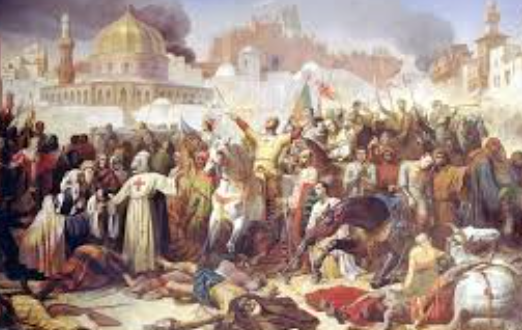
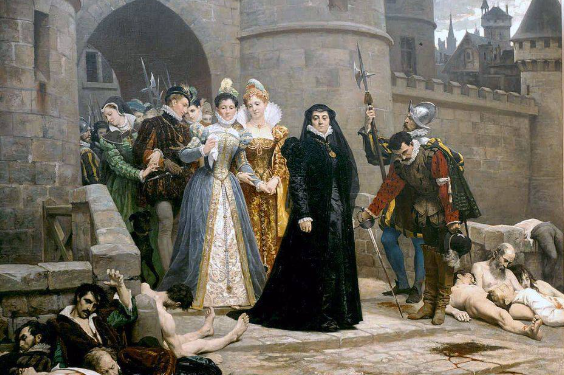
Chivalry emphasizes “fair duels”, but medieval warfare was far from that. On real battlefields, ambushes, sneak attacks, and massacres of civilians were common. In the famous Battle of Agincourt, English longbowmen slaughtered a large number of French knights, proving that knights’ armor was not invincible.

Castle: Military Fortress or Noble Mansion?
1. Military function of the castle
Castles were originally military fortifications designed to defend against enemy attacks. The classic concentric castle used a multi-layered defense system, including moats, arrow towers, and thick walls. However, with the advent of gunpowder weapons, the defensive value of castles gradually declined.
2. Daily life in the castle
Although castles were military centers during war, they were more like residences for noble families during peacetime. The interiors of castles were not always luxurious and comfortable – many rooms were dark and damp, and the winters were unbearably cold. Servants, soldiers, and noble families lived together in small spaces with poor hygiene conditions.
3. The truth about siege warfare
Movies and TV shows often depict fierce sieges, but in reality, sieges are more common than assaults, and defenders often surrender because they run out of food rather than being breached directly.

Ordinary Soldiers and Civilians’ Experience of War
1. Levies and Mercenaries
Although the knights were elite on the battlefield, the real main force of the army was recruited peasants and mercenaries. These soldiers were poorly equipped, poorly trained, and had a very high mortality rate.
2. The impact of war on civilians
The biggest victims of medieval wars were often civilians. Armies would burn villages and loot food as they passed through, leading to famine and plague. During the Hundred Years’ War, rural France suffered severe damage and its population plummeted.
3. The role of women in war
Although rarely mentioned in stories of chivalry, women played an important role in medieval warfare, managing castles, organizing defenses, and even participating in battles.
The interweaving of romance and reality
The legends of knights and castles are fascinating, but the real medieval wars were full of blood, calculations, and struggles for survival. Some ideas of chivalry do exist, but they are mostly beautifications of later generations. Castles are not only military fortresses, but also centers of power and life. Only by understanding the complexity of this period of history can we more realistically restore the appearance of the medieval world.
https://www.wonarm.com/the-ultimate-guide-to-medieval-warfare-knights-castles-sieges-and-naval-fleets/